Step 01
Pressure
Attack to drain the enemy's stamina rather than their health. Damage is the by-product; the stamina bar is the actual target.
No games found
Unihfy Games
Loading identity...
Quick Access
Capcom's demo is public, so you can check this one yourself. A breakdown of the combat systems, why hands-on accounts contradict each other on difficulty, and the rough edges ranked by how much they actually matter.
Early Impressions — Not A Final Review
Based on early builds and reported impressions. We will update this article once the finished game is available.
Developer
Capcom
Genre
Action Adventure
Platforms
PC · PS5 · Xbox Series
Release
25 September 2026
Written by
Developer · Game Reviewer
Kaushik Hirpara is a full-stack developer and game reviewer at Unihfy Games. He does most of the work of bringing games to the site — adapting them to run properly in a browser, getting them working on phones, playing them, and writing up what players need to know.
Almost every article about an unreleased game asks you to take somebody's word for it. This one does not have to. Capcom has put a substantial demo out on PS5, Xbox and PC, and it runs somewhere around thirty-five to forty minutes if you take your time and kill everything. Beating it also unlocks a cosmetic item in the finished game, so there is a small reward for the trouble.
That changes what this article is for. Rather than describing how the game feels and hoping you believe us, the more useful job is explaining what the systems actually are, why the people who have played it disagree so sharply about the difficulty, and which of the complaints are worth caring about. Then you go and form your own opinion, which is worth more than ours.
One thing worth saying up front, because it will save some people a lot of confusion: this is not a Soulslike. That comparison follows every hard action game around now, and here it is simply wrong. There are no checkpoint-and-recover-your-stuff loops and no resource loss on death. It is a single-player action adventure with a high skill ceiling, in a series that was doing this a decade before Dark Souls existed.
The Basics
Here is the interesting problem. Reading through the published hands-on impressions, people who played the same build came away with flatly contradictory conclusions about how hard it is.
One account, from a writer who played both the public demo and a separate behind-closed-doors build at Summer Game Fest, found it far too easy. Enemies stood around waiting their turn rather than swarming. Attacks were telegraphed so heavily that blocking became automatic. Perfect parries and perfect dodges landed with very little precision required. He beat the demo boss on his first attempt with fifteen minutes of his session left over, on the harder of the two available modes, and reported that other people at the event said much the same thing.
Another account described almost the opposite: a game where every parry matters, every missed dodge costs real health, and the difficulty sits close to Dark Souls. A third landed somewhere between, praising the combat but noting that the timing window on the counter move is extremely tight, and that against the demo boss there was only one attack he could counter reliably.
These are not incompatible, and untangling them tells you what the game actually is. Every one of these accounts praises the boss fights. Every one of them is lukewarm or negative about the fights in between. The writer who found it too easy is specifically describing grunt encounters. The writer who found it hard spent most of his time on the boss. They are describing two different halves of the same game, and both halves are real.
Our read is that the boss fights are genuinely excellent and the ordinary encounters are not finished yet. That is the most common shape of criticism across every account we have seen, and it is also a very fixable problem two months out — enemy aggression and attack speed are numbers in a file, not systems that need rebuilding. Whether Capcom actually changes them before 25 September is a different question, and worth watching. The demo is public, so player feedback on exactly this point is loud and easy to find.
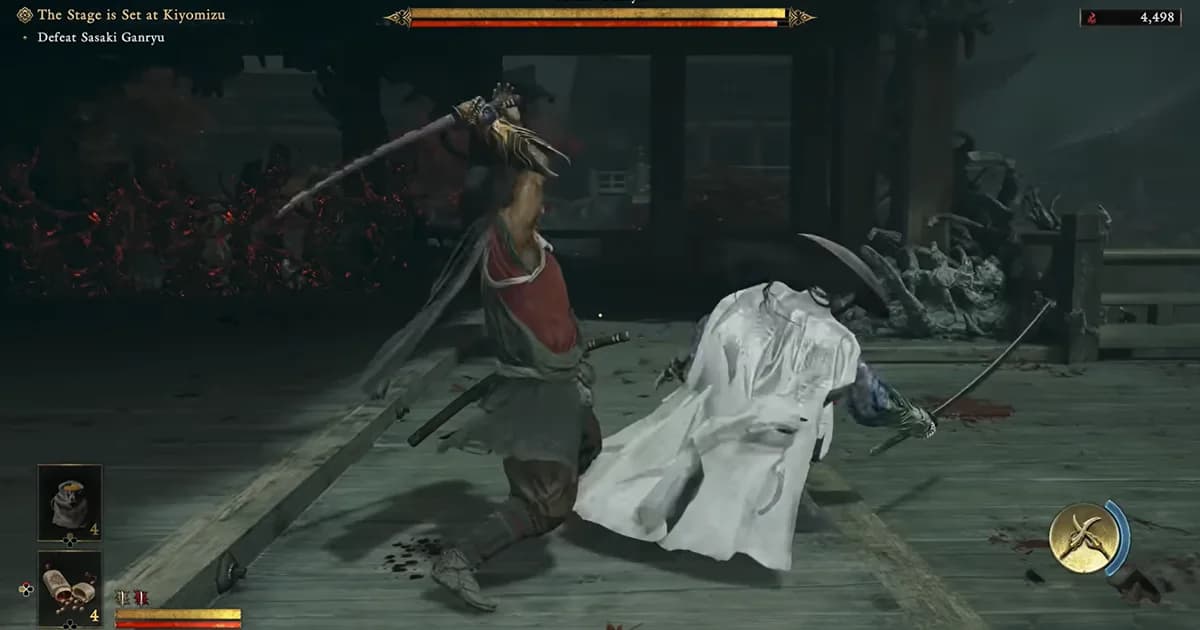
You play as Miyamoto Musashi, the historical swordsman, in an alternate version of Kyoto during the height of the samurai era. Musashi has been made an Onimusha, which in this series means half man and half demon, and he is not thrilled about it. The power comes with a gauntlet that talks to him, and the two of them argue.
Combat is built on two attacks and three defensive tools. There is a one-handed attack and a two-handed attack, the latter functioning much like the charge attacks of the older games, aimed at breaking through an enemy's guard. Alongside that you have a parry, a dodge, and the Issen counter, which is the series' signature move: strike in the instant just before an enemy's blow lands and you get a devastating instant counter. It works on ordinary enemies and on bosses, and the timing window is very small.
The systems layer on top of each other in a way that rewards using all of them rather than picking a favourite. Successful parries fill a gauge that eventually wreathes your sword in flame for bonus damage, and further parries keep the buff alive. Around three perfect dodges in a row unlock a special follow-up attack. A third gauge governs your Oni power, which brings out a pair of daggers and grants invulnerability for the whole animation while dragging in a large number of souls.
Souls are the connective tissue. They drop from enemies in several types feeding health, stamina and special abilities, and the game is generous about giving you whichever one you are shortest on. Run low on health and you will start seeing health souls. This is deliberate, and it pushes you to keep attacking rather than retreat. You can now also absorb them while moving, which sounds minor and is not; standing still to collect souls was one of the genuinely irritating things about the older games.
How It Flows
Every fight in the demo, from a single grunt to the boss, moves through roughly the same shape. Understanding it makes the whole thing click much faster.
Attack to drain the enemy's stamina rather than their health. Damage is the by-product; the stamina bar is the actual target.
Parry, dodge, or land an Issen counter. Each one drains far more stamina than a normal hit and builds your own buff gauges at the same time.
Stamina hits zero and the enemy opens up for an Issen break. On bosses you get a split second to choose where to strike, trading raw damage against a bigger soul payout.
Collect the souls that spill out, on the move. The game hands you whichever resource you are lowest on, which is what keeps you pushing forward instead of backing off.
With a flaming weapon, a charged dodge follow-up and Oni power available, the next exchange is shorter than the last. The loop is designed to accelerate.
The details are where this shows its pedigree. Parry an enemy while standing near a tree and you can redirect them into it, taking a chunk of extra stamina damage and setting up the break. Break a boss and you get a genuine split-second decision: strike the arm for a larger soul payout, or the head or chest for a burst of damage. That is a real choice made under pressure rather than a cutscene.
Enemy variety arrives quickly too. The demo opens with essentially zombies carrying swords, but within about fifteen minutes it is throwing armoured lizard creatures and heavy weapon users with multiple health bars who are far harder to stagger. Death restarts you immediately at the fight, which encourages experimenting rather than dreading a run back.
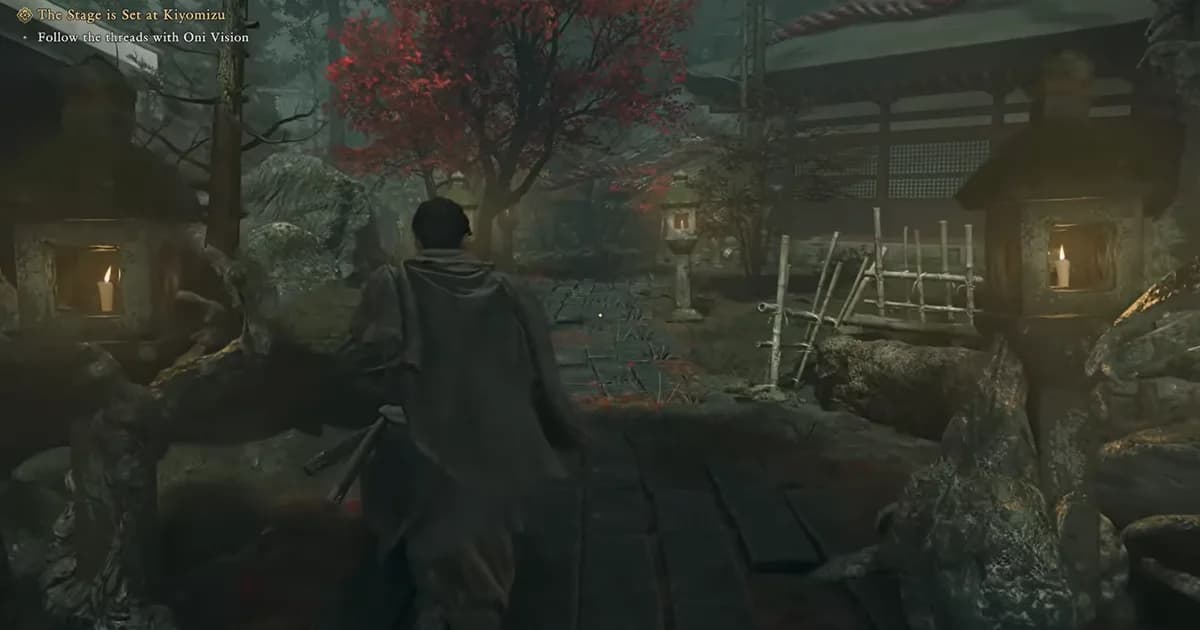
Structurally it is a familiar shape: explore an area, complete an objective, fight a boss. Exploration uses an overhead map that shows the general layout without marking everything, which does encourage actually looking around. The tank controls of the original games are gone. You can still smash every pot you find, which is as it should be.
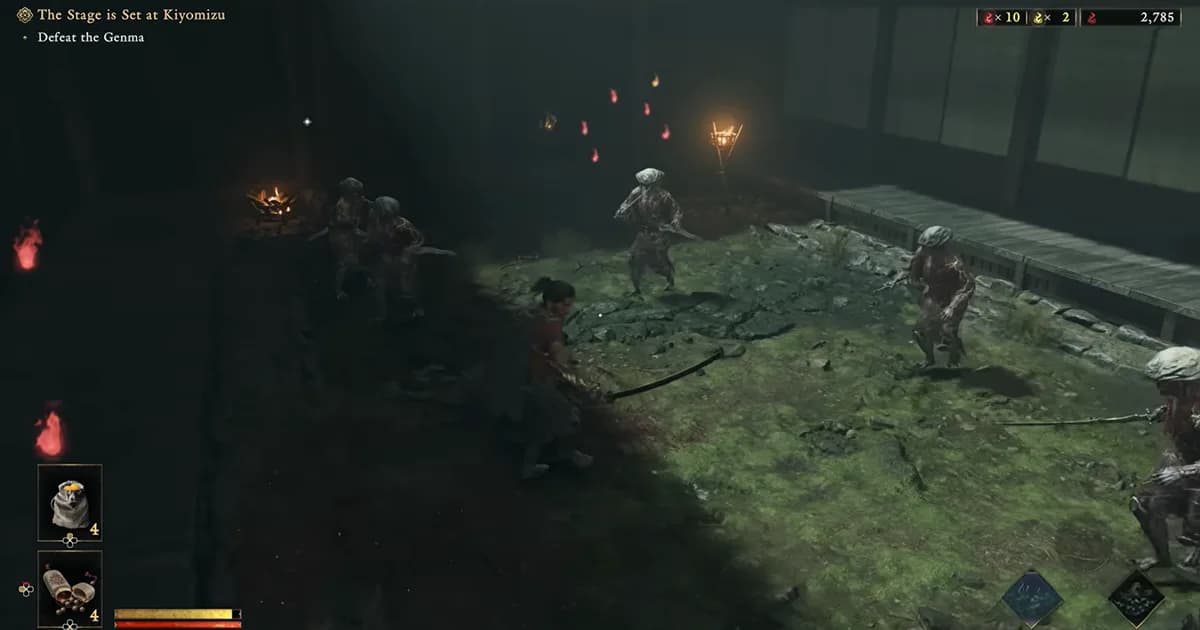
The most serious complaint and the most consistent one. Enemies wait their turn, attack slowly, and telegraph so far in advance that defending becomes automatic. It drains the tension out of everything that is not a boss fight. Fixable with number tuning, but only if Capcom chooses to.
The behind-closed-doors build had players collect three statues, marked clearly on the map, and carry them back before the boss would unlock. That is the least interesting possible thing to do between fights, and if the finished game is built this way throughout it will hold an otherwise strong game back.
On a base PS5 it reportedly looks closer to a late PS4 game than a current one: low-polygon geometry with visibly sharp edges on objects that should be rounded, flat lighting, and unremarkable textures. It is not ugly and it will not stop anyone enjoying the combat, but it does not match the trailers.
Major story scenes swap in higher-detail models and look genuinely good. The smaller in-game conversations use gameplay models and look noticeably stiffer. Cutting between the two is jarring, though this is a combat game and few people will dwell on it.
At least one account found the healing potions needed the button pressing three or four times before anything happened, particularly mid-boss. Whether that is a hidden requirement nobody explained or simply unfinished, it is the kind of thing that loses fights unfairly.
Entirely Japanese characters, all speaking with British accents. One player who tried both tracks rated the Japanese performances well ahead of the English ones. Easily solved by switching audio, which is why it sits low here.
Strip everything else away and this is a game with an unusual profile. The boss encounters appear to be excellent — layered, aggressive, mechanically rich, and the clear reason to be interested. Everything around them is currently somewhere between fine and dull.
That combination can still produce a very good game. Plenty of well-liked action games are carried almost entirely by their boss fights while the material in between is merely a corridor to the next one. It works when the peaks are high enough to pay for the valleys, and by every account here the peaks are high.
But it caps how good the game can be, and it is the difference between a solid entry and a genuine revival. A dormant series returning after twenty years does not get many chances to make this impression. The frustrating part is that the fix looks unusually achievable: make ordinary enemies faster and more aggressive, and give the player something more interesting to do than collect three objects. Neither requires rebuilding anything.
There is one more reason to be mildly optimistic. Capcom shipped this demo publicly rather than restricting it to press, and the criticism it has generated is specific, consistent and impossible to miss. That is not the behaviour of a publisher trying to control a narrative. It reads like a company collecting feedback while there is still time to act on it.
Early Impressions — Based on Pre-Release Material
Outstanding boss fights and a genuinely satisfying combat system, currently connected together by the least interesting material in the game.
Based on early builds and reported impressions. We will update this article once the finished game is available.
What Works
What Concerns Us
Who It's For
Players who want precise, timing-based swordplay and are happy to accept some filler between the good parts. Anyone who played the original games will find this both familiar and considerably less clumsy. If you enjoy learning a boss until you can dismantle it, this is aimed at you.
Who Should Wait
Anyone who needs a strong world and consistent pacing rather than peaks and troughs, and anyone expecting a visual showcase. If you want to know whether the difficulty complaints apply to you, the demo answers that in forty minutes for free.
How We Researched This Article
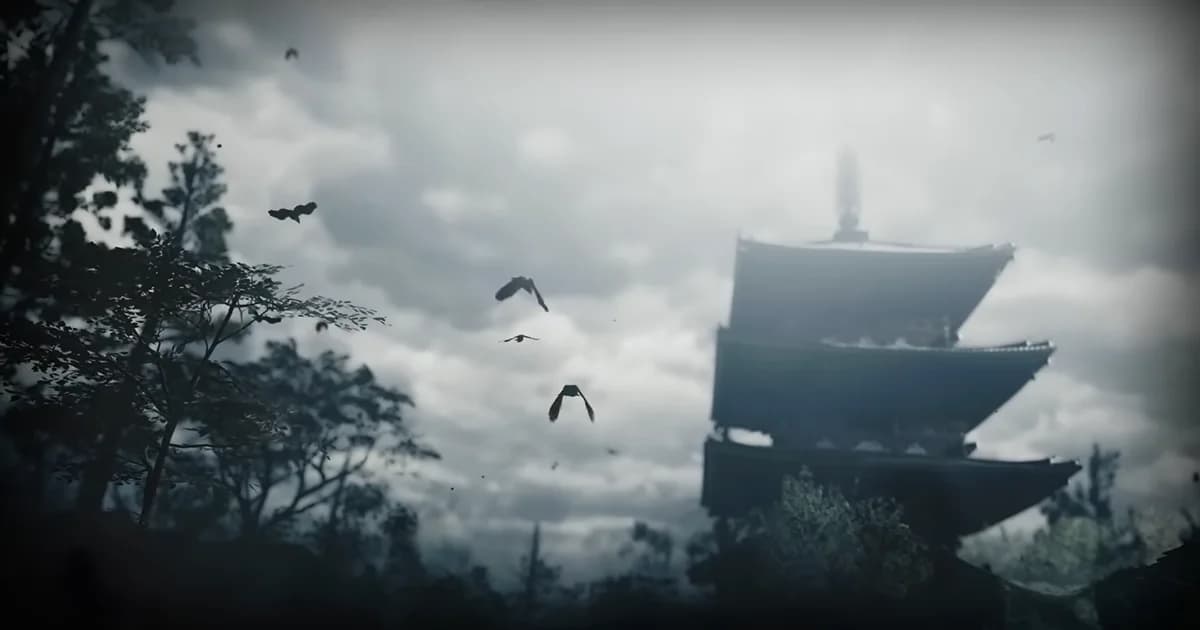
This game has not released, and this article is labelled early impressions rather than a preview because a substantial public demo exists and is being widely discussed. We have not completed the game and nobody has, so nothing here is a review. This article draws on Capcom's own material, the publicly available demo, and several published hands-on accounts including coverage of a behind-closed-doors build shown at Summer Game Fest. Where those accounts contradicted each other, particularly on difficulty, we have set out the disagreement and explained our reading of it rather than quietly picking the version that made for a tidier article. Everything described comes from pre-release builds and may change before 25 September, and we will update this article once the finished game is available. All images on this page are gameplay screenshots captured from Capcom's publicly released demo for Onimusha: Way of the Sword. They are included to illustrate the combat, environments and mechanics discussed throughout this early impressions article.
Official
Capcom announcements and the publicly available demo
Reviewer
Published hands-on accounts from the public demo
Reviewer
Summer Game Fest behind-closed-doors preview coverage
Community
Player discussion and feedback on the public demo
Opinions reported by other reviewers and players are attributed as theirs. Read our review process for how we handle games we cannot test ourselves.
Game Reviews
Remedy's follow-up to Control leaves the Oldest House for Manhattan, swaps the Service Weapon for melee, and changes protagonist. A look at what the name change reveals, plus a plain-English guide to the jargon.
Game Reviews
Every major game still to release in 2026, month by month, and the reason so many of them are crowded into September and October. Includes release dates, platforms, and what each game is actually trying to do.
Game Reviews
Rebel Wolves turns picking your next quest into a decision with real consequences. A close look at the time system, the day and night split, the divisive combat, and what four hours of hands-on impressions actually tell us.
Game Reviews
Requiem splits itself between a terrifying stealth game as Grace Ashcroft and a chainsaw-swinging action game as Leon Kennedy. Both halves are excellent. Whether they belong in the same game is the real question.
Continue Exploring
Browse more game coverage, jump into browser games, or test yourself in Quiz Arena.