Every Horror Movie Victim Makes These Same Mistakes
From investigating strange noises to splitting up at the worst possible moment, these are the classic mistakes horror movie victims keep making and why audiences can never stop watching.
Format
Curated Article
Reading Time
12 min read
Published
June 25, 2026
Last Updated
August 4, 2026
Written by
Omik Babariya
Developer · Quiz Editor
Omik Babariya is a full-stack developer and quiz editor at Unihfy Games. He writes most of the quiz questions, works on the sports and entertainment articles, and has built and tested a number of the games on the site.
View Author ProfileThe Horror Movie Survival Guide Nobody Reads
Horror movies have taught audiences countless lessons over the years. Stay alert. Trust your instincts. Avoid creepy places after midnight. Never investigate strange noises alone. Yet somehow, horror movie victims continue making the exact same mistakes generation after generation. It's almost impressive. If poor decision-making were an Olympic sport, horror characters would dominate every podium.
The funny thing is that viewers spot these mistakes instantly. The moment a character hears a mysterious sound coming from a dark basement, millions of people collectively shout at their screens. We know exactly what's about to happen. We've seen this situation before. We've seen it a hundred times. Yet the character still grabs a flashlight with rapidly dying batteries and heads directly toward danger.
Part of what makes horror so entertaining is watching ordinary people react to extraordinary situations. Unfortunately, many of those reactions would fail even the most basic common-sense test. Characters ignore warnings, dismiss obvious red flags, and repeatedly make choices that transform manageable situations into full-scale nightmares.
And yet we keep watching. We love the suspense. We love the tension. We love screaming 'Don't go in there!' even though everyone knows they're absolutely going in there. Horror movies have created a collection of legendary mistakes that are now as recognizable as the monsters themselves.
Today we're celebrating the most famous errors in horror history. Not because we want characters to keep making them, but because without these spectacularly bad decisions, some of our favorite scary stories would end before the popcorn finished popping.
"If a horror movie character listened to their instincts, most horror movies would become short films."
— Every Horror Fan
The Noise From Downstairs
Setup
A character hears a loud crash coming from a dark part of the house at 2 AM.
What We Thought
They immediately investigate alone while whispering 'Hello?' every few seconds.
What We Realize Now
A normal person locks the door, turns on lights, calls for help, and remains somewhere safe.
Mistake Number One: Investigating The Strange Noise
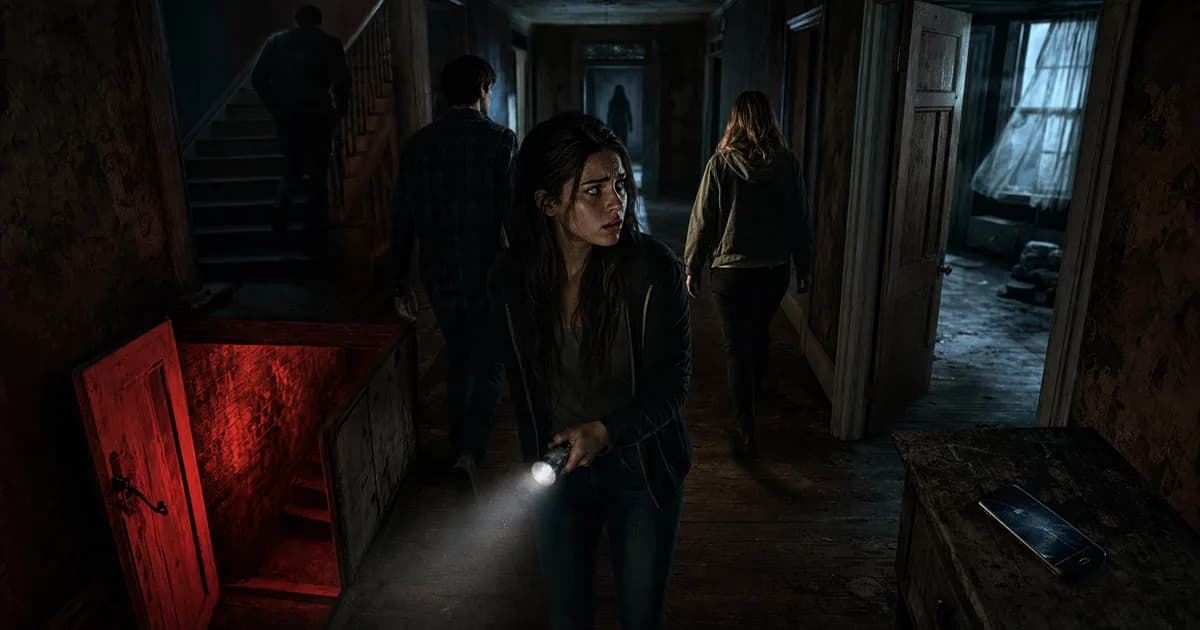
This is the undefeated champion of horror movie mistakes. Nothing else comes close. Somewhere in every horror universe, there is a mysterious sound waiting to lure an unsuspecting victim into making a terrible life decision. It could be a creak. It could be a whisper. It could be a crash. Whatever it is, somebody is definitely going to investigate.
What makes this decision so fascinating is that it rarely makes sense. The character already knows something unusual is happening. They are already scared. Every instinct should be screaming that this situation requires caution. Instead, they march toward uncertainty armed with a flashlight and questionable confidence.
Real people are surprisingly practical when they hear suspicious sounds. They turn on lights. They call someone. They stay in groups. They look for explanations from a safe distance. Horror characters operate under a completely different set of rules where curiosity regularly defeats survival instincts.
The audience recognizes this pattern immediately. The moment someone says, 'I'll go check it out,' viewers prepare themselves emotionally. It's like watching a person willingly step onto a banana peel. You know what happens next. The suspense comes from wondering exactly how badly things will go.
The lesson here is simple. If your surroundings suddenly become creepy for no reason whatsoever, perhaps don't volunteer to investigate alone. The odds are not in your favor.
Most Dangerous Word In Horror
The word 'Hello?' has never improved a horror situation.
Survival Tip #1
When something scary makes a strange noise, distance is often a better strategy than investigation.
Mistake Number Two: Splitting Up For Absolutely No Reason
Few horror decisions inspire more frustration than the legendary group split. A collection of people discovers they are facing a mysterious threat, and instead of increasing safety through teamwork, they decide the best approach is to separate into smaller, more vulnerable units.
This strategy somehow appears in haunted houses, abandoned hospitals, forests, cabins, hotels, schools, and practically every location capable of producing jump scares. Logic takes a vacation. Common sense packs its bags. Suddenly everyone believes wandering off alone is a brilliant tactical move.
The most remarkable aspect is how confidently the plan is usually presented. Someone suggests splitting up as though they've discovered a revolutionary survival technique. Nobody points out that the threat is already targeting isolated individuals. Nobody asks why reducing numbers would improve security.
From a storytelling perspective, the decision makes perfect sense. It creates tension. It creates suspense. It allows multiple storylines to unfold simultaneously. But from a survival perspective, it's like trying to avoid rain by jumping into a swimming pool.
The group split has become such a famous horror tradition that audiences practically expect it. It's less a mistake and more a ceremonial offering to the gods of cinematic chaos.
The Group Strategy Meeting
Setup
Friends discover something dangerous may be stalking them.
What We Thought
Everyone separates to cover more ground.
What We Realize Now
Everyone stays together, shares information, and dramatically improves their survival chances.
"The survival rate of horror groups increases dramatically the moment nobody says 'Let's split up.'"
— Unofficial Horror Rulebook
Mistake Number Three: Ignoring Every Red Flag
Imagine arriving somewhere new and immediately noticing strange behavior. The locals are nervous. The atmosphere feels wrong. The warnings are unusually specific. The building looks like it lost a fight with several centuries. Most people would reconsider their plans. Horror victims usually double down.
One of the most entertaining traditions in horror storytelling is the overwhelming abundance of warning signs. Strange symbols appear. Odd stories circulate. Concerned people offer cautionary advice. Yet the characters often treat these warnings as optional suggestions rather than urgent recommendations.
Part of this comes from optimism. Nobody wants to believe they're walking into danger. But horror movies take that optimism and stretch it to hilarious extremes. Characters dismiss evidence that would convince most people to leave immediately.
The audience becomes trapped in a fascinating cycle. We spot the red flags. The characters miss them. We become increasingly anxious as warning signs pile up. Eventually the situation becomes impossible to ignore, but by then the story has already become much more dangerous.
Perhaps the greatest superpower in horror movies would simply be taking red flags seriously. It lacks dramatic flair, but it would save an incredible number of fictional lives.
The Four Horror Archetypes
The Early Exit Expert
Leaves immediately when things feel wrong.
Usually survives because they value common sense.
The Investigator
Needs answers right now.
Often discovers answers the hard way.
The Skeptic
Refuses to believe obvious danger.
Eventually believes everything.
The Warning Giver
Spots danger early.
Nobody listens until it's too late.
Mistake Number Four: Keeping Critical Information Secret
Communication problems are responsible for an astonishing percentage of horror movie disasters. A character sees something terrifying and decides not to mention it. Someone discovers a clue and keeps it private. Another person learns important information but waits for the worst possible moment to share it.
This creates one of horror's most reliable forms of tension. The audience knows more than the characters. We watch opportunities for cooperation disappear because nobody is comparing notes. Entire groups remain vulnerable because key information remains trapped inside a single conversation.
In reality, people facing unusual threats would likely exchange information constantly. They would compare experiences, discuss evidence, and try to understand what was happening. Horror stories often delay this process because confusion is dramatically useful.
The result is a parade of preventable disasters. One person knows about the strange footprints. Another knows about the mysterious noises. Someone else found a warning. Nobody puts the pieces together until circumstances become significantly worse.
If horror victims embraced teamwork and communication, many terrifying mysteries would become manageable problems. Less suspenseful perhaps, but considerably healthier.
The Communication Problem
Many horror plots survive because characters share information slower than internet connections from decades ago.
What Is The Worst Horror Mistake?
Investigating Alone
- ✓ It creates immediate danger.
- ✓ Help is unavailable.
- ✓ It happens constantly.
Ignoring Warnings
- ✕ The danger was avoidable.
- ✕ Multiple opportunities existed.
- ✕ The problem often starts here.
The Golden Rule
If multiple people are experiencing strange events, compare notes immediately instead of waiting for dramatic timing.
Mistake Number Five: Trusting Obviously Suspicious Situations
Horror victims frequently demonstrate remarkable trust in circumstances that deserve extreme skepticism. Strange invitations. Empty buildings. Mysterious opportunities. Unexplained gifts. Cryptic instructions. The list goes on and on.
Part of the humor comes from how transparent these setups often appear to audiences. We recognize danger because we've consumed years of horror stories. The characters, however, continue treating deeply suspicious situations as perfectly reasonable adventures.
There's a fascinating psychological element here. Human beings naturally want explanations. We want mysteries solved. Horror stories exploit that curiosity brilliantly. They tempt characters with answers while quietly leading them toward trouble.
The most memorable horror traps often work because they seem just believable enough. A character convinces themselves everything is probably fine. Then reality arrives carrying terrible news and absolutely no sympathy.
Trust is important in real life. Horror movies simply remind us that trust works best when paired with awareness, caution, and occasionally the ability to recognize a giant flashing warning sign.
Would You Stay Or Leave?
Stay
- ✓ Curiosity deserves answers.
- ✓ Maybe there's a rational explanation.
- ✓ Leaving means never knowing.
Leave Immediately
- ✕ Safety comes first.
- ✕ Mysteries can wait.
- ✕ Survival is an excellent outcome.
Why Audiences Love Watching These Mistakes
If these decisions are so obviously flawed, why do horror fans keep coming back? The answer is surprisingly simple. Horror is not just about fear. It's about anticipation. We enjoy recognizing danger before the characters do. It creates a unique relationship between the audience and the story.
There is also something deeply relatable about human error. While most people wouldn't walk into a haunted basement alone, everyone has ignored a warning, made a bad decision, or underestimated a situation. Horror exaggerates those tendencies until they become unforgettable.
These mistakes also generate conversation. Fans debate what they would have done differently. Friends argue about survival strategies. Entire communities build unofficial rulebooks dedicated to avoiding fictional disasters.
The genre turns bad decisions into entertainment. Every mistake raises stakes, increases tension, and creates opportunities for memorable storytelling. We may criticize the choices, but we also understand why they're there.
Without mistakes, horror loses much of its suspense. The challenge is finding the sweet spot where decisions feel believable enough to keep audiences invested while still delivering the thrills they came for.
Horror Logic vs Real Life Logic
Fantasy
Investigate the noise immediately.
Reality
Stay safe and assess the situation.
Fantasy
Split up during danger.
Reality
Stay together whenever possible.
Fantasy
Ignore warnings.
Reality
Warnings exist for a reason.
Fantasy
Keep secrets from the group.
Reality
Share important information quickly.
The Victim Hall Of Fame
Every horror fan can identify certain victim behaviors instantly. The overconfident explorer. The person who dismisses every warning. The character who insists everything is normal despite overwhelming evidence. These archetypes have become part of horror culture itself.
What makes them memorable is not just their mistakes but their confidence. They often believe they are making reasonable decisions. That certainty creates irony because audiences can already see the consequences approaching.
Over time these patterns have become beloved traditions. Fans expect them. Writers play with them. Some stories even intentionally subvert expectations by allowing characters to make smarter choices than usual.
When that happens, audiences often cheer. Watching someone recognize danger and respond intelligently can feel surprisingly satisfying. It proves that horror characters are capable of learning, even if the genre occasionally forgets.
Still, the classic mistakes remain iconic because they represent the heart of horror storytelling. They create vulnerability, uncertainty, and opportunities for unforgettable scares.
The Final Lesson From Every Horror Movie Ever
If horror cinema has taught us anything, it's that common sense deserves more respect than it usually receives. The simplest decisions often have the biggest consequences. Turning around. Asking questions. Staying together. Listening to warnings. These actions may not seem heroic, but they're surprisingly effective.
At the same time, we should be grateful fictional characters keep making these mistakes. Their questionable judgment has produced decades of unforgettable entertainment, legendary scares, and countless discussions among fans.
The next time you're watching a horror movie and somebody makes an obviously terrible decision, remember that you're witnessing a tradition as old as the genre itself. It's practically part of the experience.
You'll probably shout advice at the screen. You'll probably predict exactly what happens next. And you'll probably enjoy every second of it. That's the strange magic of horror. We know the mistakes. We know the rules. Yet we keep coming back for more.
Because deep down, every horror fan understands a simple truth: smart decisions save lives, but terrible decisions create legendary stories.
Quick Picks
Go And Investigate The Dark Corridor Yourself
This article lists every mistake horror characters make. These put you in the same position so you can find out how you would actually handle it.
Adventure
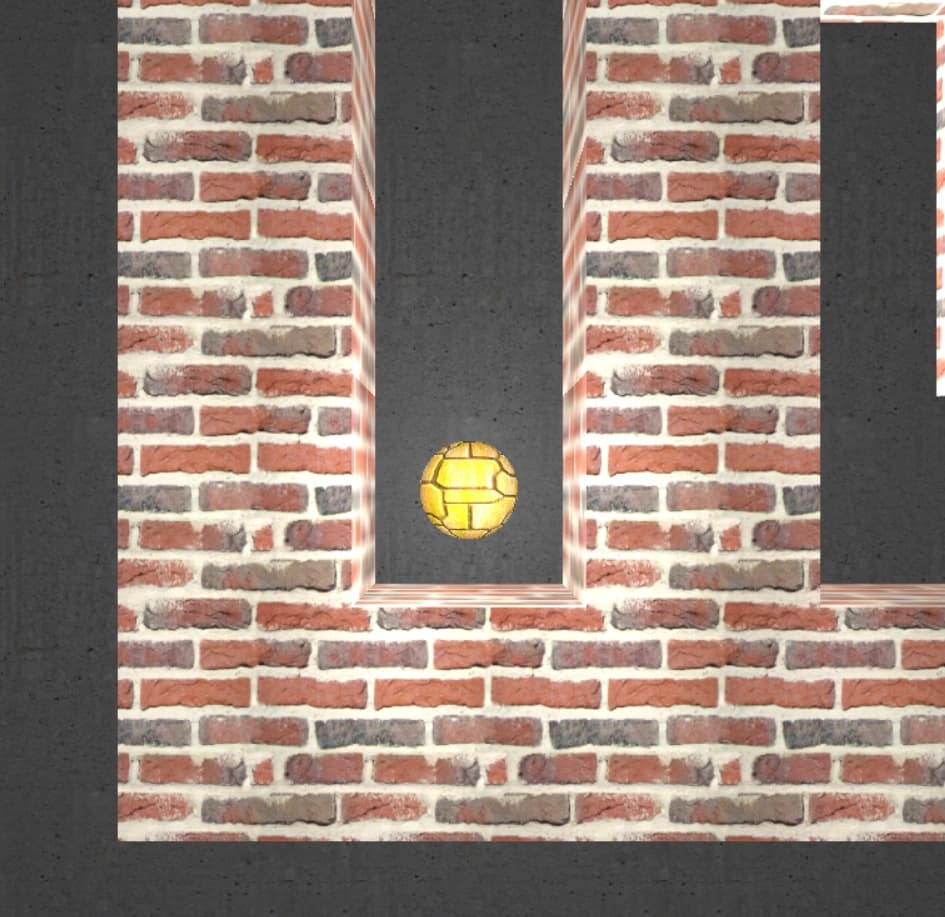
Astray 3D Maze
A 3D maze where you genuinely cannot see what is around the next corner. Splitting up is thankfully not an option.
Action
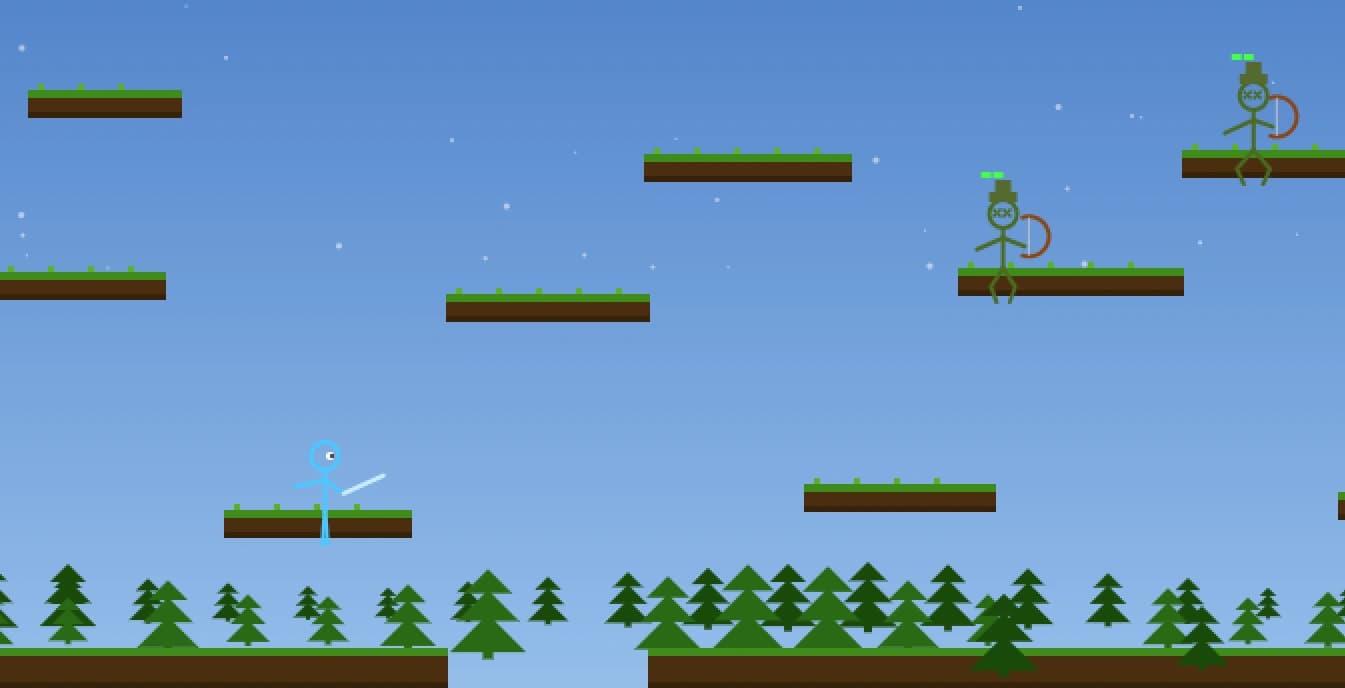
Blade & Breach
Close-quarters action in exactly the sort of confined layout this article warns against entering.
Shooting
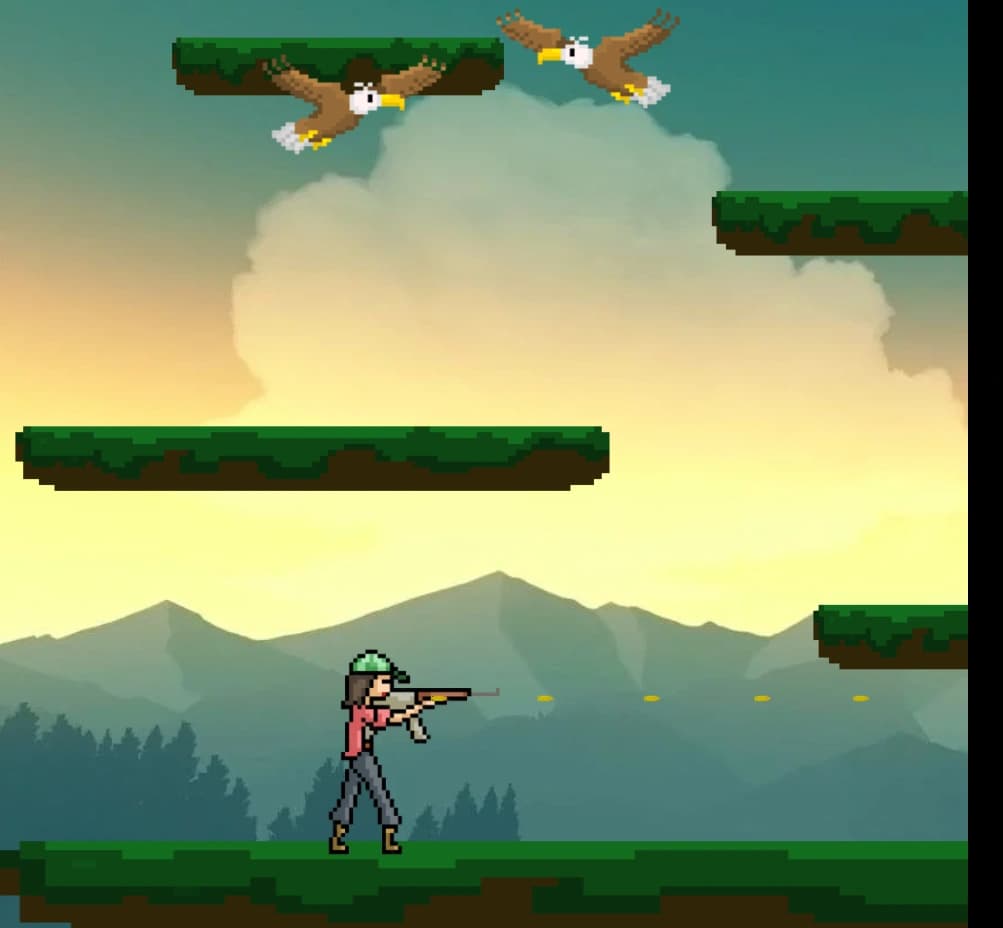
Talons Down
Something is doing the hunting. On this occasion you are the one holding the weapon.
Related Articles
Entertainment
How Famous Movies Would Have Ended If Characters Used Common Sense
What if movie heroes, villains, detectives, superheroes, and chosen ones made sensible decisions? Explore the hilarious alternate endings that would have shortened some of entertainment's biggest stories.
Entertainment
If Superheroes Had Normal Jobs
What would happen if superheroes traded world-saving adventures for regular nine-to-five careers? A hilarious deep dive into the workplaces that might be perfect for people with extraordinary abilities.
Entertainment
Childhood Movie Scenes That Hit Different As An Adult
The movie moments that felt fun, exciting, or completely normal as kids suddenly reveal deeper emotions, life lessons, and heartbreaking truths when viewed through adult eyes.
Entertainment
Why Everyone Thinks They'd Survive A Zombie Apocalypse
From overconfidence and movie logic to survival fantasies and everyday delusions, here's why almost everyone believes they'd thrive during a zombie apocalypse.
Continue Exploring
Ready For More?
Jump into browser games or challenge yourself in Quiz Arena. There's always something new to discover.