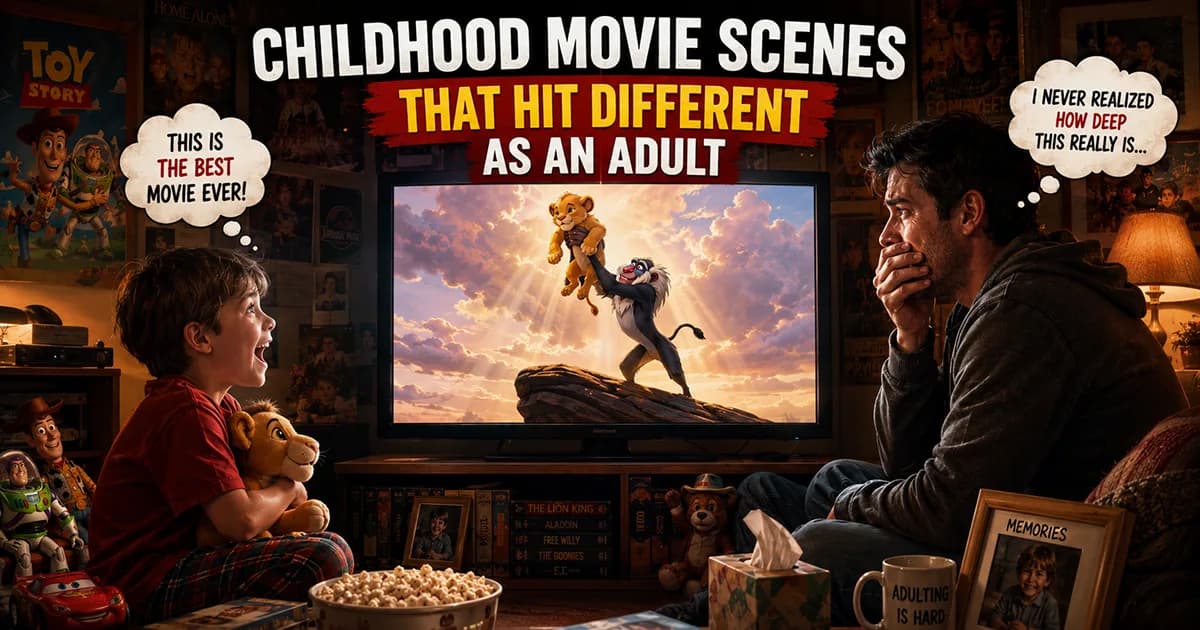
Childhood Movie Scenes That Hit Different As An Adult
The movie moments that felt fun, exciting, or completely normal as kids suddenly reveal deeper emotions, life lessons, and heartbreaking truths when viewed through adult eyes.
Format
Curated Article
Reading Time
12 min read
Published
June 27, 2026
Last Updated
August 4, 2026
Written by
Omik Babariya
Developer · Quiz Editor
Omik Babariya is a full-stack developer and quiz editor at Unihfy Games. He writes most of the quiz questions, works on the sports and entertainment articles, and has built and tested a number of the games on the site.
View Author ProfileThe Strange Magic Of Watching Childhood Movies Again
Every generation has a collection of movies that feels like a time machine. The moment the opening music starts, you're no longer sitting in your living room. You're back on the couch as a kid, probably holding a snack, completely convinced that adventure was waiting just outside the front door. These movies become part of our childhood identity, shaping the way we imagined friendship, courage, family, and growing up.
Then something unexpected happens. Years later, you watch the same movie again. The scenes haven't changed. The dialogue hasn't changed. The story hasn't changed. But somehow everything feels different. Moments that once seemed funny suddenly become emotional. Characters you ignored become the most interesting people in the story. Entire subplots reveal layers you never noticed as a child.
As kids, we naturally focus on the heroes. We care about the adventure, the jokes, the action, and the happy ending. Adults, however, bring experience into the viewing process. We notice sacrifices. We understand stress. We recognize loneliness. We see responsibility where we once saw boring grown-up problems.
The result is one of the most fascinating experiences in entertainment. It's almost like watching a completely different movie hidden inside the one you already knew. The colorful adventure remains, but beneath it sits a surprisingly emotional story about life, change, fear, hope, and growing older.
That's why so many childhood movie scenes hit differently as adults. The movies didn't evolve. We did. And that change often transforms simple moments into some of the most powerful scenes in cinema.
"The older you get, the more you realize the adults in childhood movies were fighting battles you never noticed."
— Every Nostalgic Rewatch
When The Parents Suddenly Become The Main Characters
One of the biggest shocks during a childhood movie rewatch is realizing that the parents were carrying the emotional weight of the entire story. As children, parents often feel like background characters. They're obstacles, rule-makers, or simply the people standing between the hero and adventure.
As adults, everything changes. Suddenly you're paying attention to exhausted moms trying their best. You're noticing dads working long hours while still showing up for important moments. You're seeing families juggling responsibilities that completely flew over your head when you were younger.
What once looked like strictness often reveals itself as concern. What felt unfair now feels understandable. Many childhood movies quietly included themes about parenting, sacrifice, and responsibility that younger audiences simply weren't equipped to fully appreciate.
There's something both beautiful and heartbreaking about this realization. The adults we once considered boring were often carrying enormous emotional burdens while trying to create stability for the younger characters around them.
That shift in perspective is one of the clearest signs of growing up. Eventually you stop identifying only with the dreamers and adventurers. You start understanding the people making those adventures possible.
The Parent Waiting Up
Setup
A young hero returns home after an unforgettable adventure.
What We Thought
Kids focus on the adventure and the excitement of the journey.
What We Realize Now
Adults immediately imagine the stress, worry, and sleepless nights experienced by the parent waiting at home.
The Rewatch Effect
Many viewers report connecting more strongly with adult characters than heroes when revisiting childhood favorites years later.
The Goodbye Scenes Become Unexpectedly Devastating
As children, goodbye scenes often feel temporary. Characters separate, but life moves on. The story continues. We trust that everything will somehow work out because movies usually train us to believe in hopeful outcomes.
Adulthood introduces a different understanding. We learn that some goodbyes are permanent. We experience friendships fading, family members moving away, relationships ending, and entire chapters of life quietly closing behind us.
Because of that experience, farewell scenes suddenly carry a completely different emotional weight. A simple wave becomes heartbreaking. A final conversation feels heavier. A character choosing a different path suddenly reflects real-life moments we've lived ourselves.
What once felt like a small transition now feels like one of the most realistic parts of the story. The emotional power comes not from dramatic music or dialogue but from recognition. We know what it feels like to leave something important behind.
That's why many childhood movies become surprisingly emotional during rewatches. They were always talking about change. We just didn't know enough about change to understand what they meant.
The Adult Viewer Curse
You start a nostalgic rewatch expecting comfort and somehow end up questioning the passage of time.
"The saddest scenes weren't sad when we were kids because we hadn't lived long enough to understand them."
— Movie Night Wisdom
The Villains Become More Interesting
No, adulthood doesn't suddenly make villains right. But it often makes them more understandable. As children, villains are obstacles. They exist to be defeated. Their motivations rarely matter because the story is focused on the hero's journey.
As adults, we start paying attention to why people make bad choices. We become interested in insecurity, ambition, jealousy, fear, loneliness, and pride. Many fictional antagonists reveal surprising complexity when viewed through a more mature lens.
What once seemed like cartoonish behavior often reflects recognizable human flaws. Some villains aren't driven by evil as much as frustration, disappointment, or an inability to let go of the past.
This doesn't excuse their actions, but it adds depth to the experience. Great stories rarely create conflict from nowhere. They build it from emotions that audiences can recognize, even if they disagree with the outcome.
Suddenly the story becomes richer. The hero isn't just fighting a bad person. They're confronting ideas, mistakes, and emotions that feel surprisingly real.
Who We Relate To At Different Ages
The Child Hero
Dreams of adventure.
Represents curiosity and possibility.
The Parent
Creates stability.
Represents responsibility and sacrifice.
The Mentor
Offers guidance.
Represents wisdom earned through mistakes.
The Villain
Creates conflict.
Represents flaws taken to dangerous extremes.
The Financial Problems Suddenly Make Sense
Perhaps no movie detail changes more dramatically with age than money. As children, financial problems barely register. Characters talk about bills, jobs, rent, or expenses, and our brains immediately return to the exciting parts of the story.
Then adulthood arrives with receipts, budgets, and monthly obligations. Suddenly those background conversations become alarmingly relatable. You realize why certain characters were stressed. You understand why they made difficult decisions.
Many family movies quietly contain economic realities that younger viewers completely miss. Adults often spend the entire film trying to solve practical problems while children focus on adventure and imagination.
Rewatching these stories can feel almost shocking. Moments that once seemed insignificant suddenly become central to understanding character motivations. Entire emotional arcs become clearer.
It's one of the funniest examples of perspective changing everything. The same scene that bored you at age ten might hit harder than the action sequence at age thirty.
The Family Dinner Conversation
Setup
Adults discuss practical concerns while younger characters daydream about adventure.
What We Thought
Kids wait impatiently for the exciting plot to continue.
What We Realize Now
Adults understand this conversation may secretly be the emotional core of the entire movie.
The Universal Rewatch Discovery
Every adult eventually realizes at least one childhood movie was secretly about responsibility.
What Changes Most During A Rewatch?
The Story
- ✓ Hidden themes become visible.
- ✓ Subplots gain importance.
- ✓ Character motivations feel deeper.
The Viewer
- ✕ Life experience changes perspective.
- ✕ Priorities evolve with age.
- ✕ Emotional understanding expands.
The Mentor Characters Finally Get The Respect They Deserve
As kids, mentor characters often feel like temporary pit stops between exciting scenes. They provide advice, share wisdom, and help the hero prepare for challenges ahead. Useful? Sure. Exciting? Not always.
As adults, these characters become fascinating. Suddenly we're paying attention to everything they say. Their mistakes matter. Their lessons matter. Their regrets feel real in ways they never did before.
Many mentor figures are quietly carrying stories of their own. They've experienced failures, losses, and disappointments long before the main adventure began. Their wisdom often comes from scars rather than success.
That's something children rarely recognize because they haven't accumulated enough experience to see it. Adults understand that the most valuable lessons often come from people who made mistakes and survived them.
On a rewatch, the mentor sometimes becomes the most compelling character in the entire movie. Not because they changed, but because we finally understand what they were trying to teach.
The Nostalgia Trap
You start watching for the hero and somehow end up emotionally invested in the mentor's life choices.
Why Growing Up Makes Certain Scenes Hurt More
Children tend to view stories through possibility. Adults often view stories through experience. That's the fundamental difference. Kids wonder what could happen. Adults remember what already happened.
Because of that, scenes involving loss, change, sacrifice, and uncertainty hit much harder. We recognize the emotions behind the moment instead of focusing only on the plot itself.
A character taking a risk isn't just exciting anymore. It becomes scary. A farewell isn't just temporary. It becomes meaningful. A parent working late isn't just absent. It becomes understandable.
Movies haven't become sadder. We've simply gained the emotional vocabulary needed to fully interpret what was already there. The stories reveal layers that younger versions of ourselves couldn't access.
That deeper connection is one reason people revisit childhood favorites throughout their lives. The movie grows alongside the viewer, offering new meaning at every stage.
Which Is Better?
Watching As A Child
- ✓ Pure wonder.
- ✓ Unlimited imagination.
- ✓ Everything feels magical.
Watching As An Adult
- ✕ Deeper emotional understanding.
- ✕ Greater appreciation of themes.
- ✕ Stronger connection to characters.
Childhood Perspective vs Adult Perspective
Fantasy
The adventure is the whole story.
Reality
The people behind the adventure often carry the real story.
Fantasy
Parents are obstacles.
Reality
Parents are usually trying their best.
Fantasy
Goodbyes are temporary.
Reality
Some moments never come back.
Fantasy
The mentor is boring.
Reality
The mentor has lived an entire life before the story began.
The Secret Reason We Keep Rewatching
Nostalgia is often described as revisiting the past, but that's only half the story. The real magic comes from comparing who we were with who we've become. Childhood movies provide a perfect mirror for that process.
Every rewatch becomes a conversation between different versions of ourselves. The child remembers excitement. The adult notices meaning. Together they create a richer experience than either perspective could achieve alone.
That's why certain scenes feel completely transformed. We aren't just watching them differently. We're bringing years of memories, experiences, relationships, victories, and disappointments into the viewing process.
The result is emotional storytelling that evolves over time. Few forms of entertainment can create that kind of long-term relationship with an audience.
In a way, childhood movies never truly stay the same. They continue changing because we continue changing.
The Movies Didn't Change — We Did
Perhaps the most beautiful realization is that these scenes were always powerful. The emotional depth, life lessons, and hidden meanings were there from the beginning. We simply weren't ready to see them yet.
Childhood gave us wonder. Adulthood gives us perspective. Together they reveal why certain movies remain beloved across generations. They speak to different audiences without changing a single frame.
The next time you revisit a favorite childhood film, pay attention to what surprises you. Notice which character suddenly feels relatable. Notice which conversation carries unexpected weight. Notice which scene leaves you staring quietly at the screen afterward.
Those moments aren't signs that the movie became better. They're signs that you've grown. And in a strange way, that's one of the most moving stories any film can tell.
Because eventually every viewer discovers the same truth. The adventure wasn't only happening on screen. Part of it was happening to us all along.
Quick Picks
Games That Hit Different As An Adult
This article is about childhood scenes landing differently years later. The same is true of the games that were on every school computer.
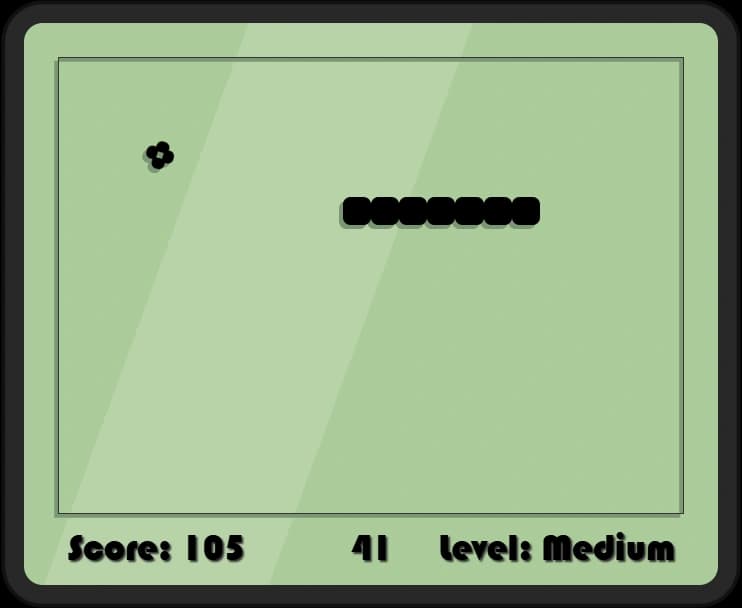
Arcade
Snake
The one that came built into a phone with no colour screen and no apps.
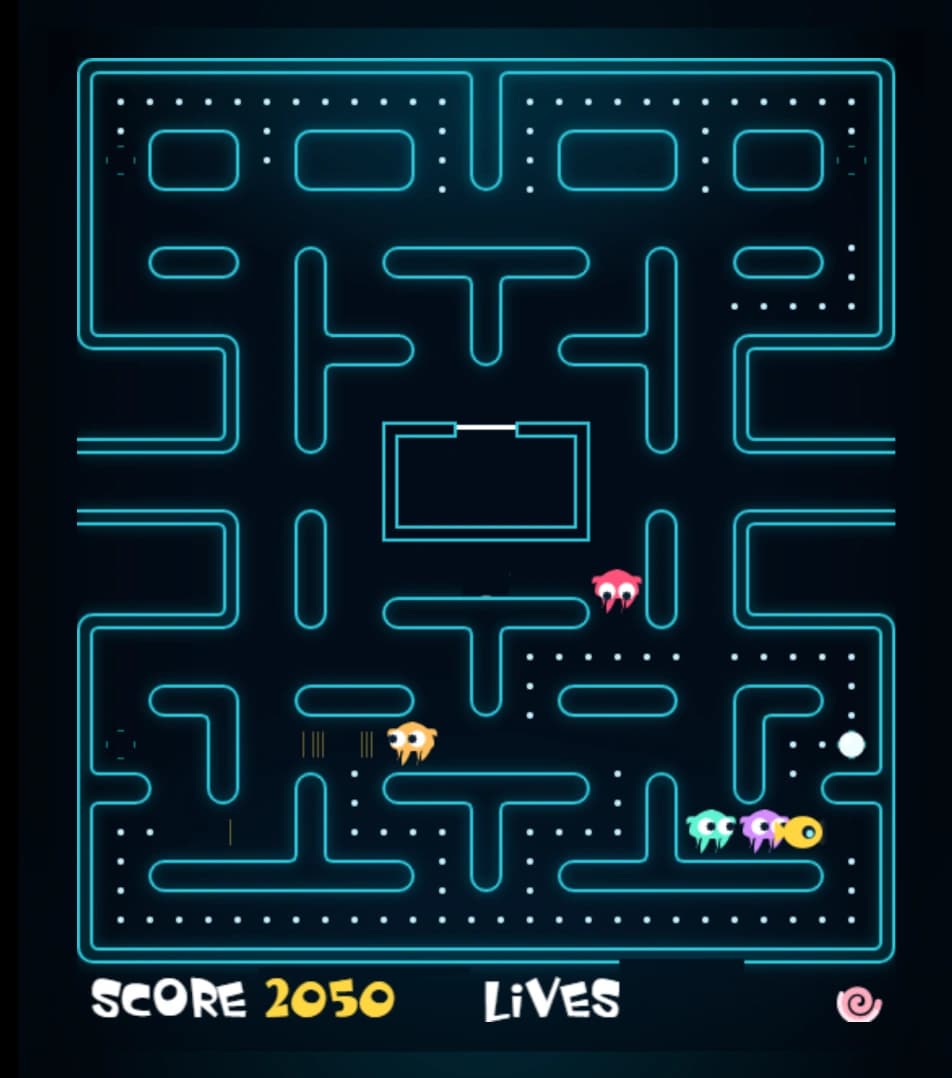
Arcade
Maze Chomper
Still four ghosts, and still the exact corner where you always got caught.
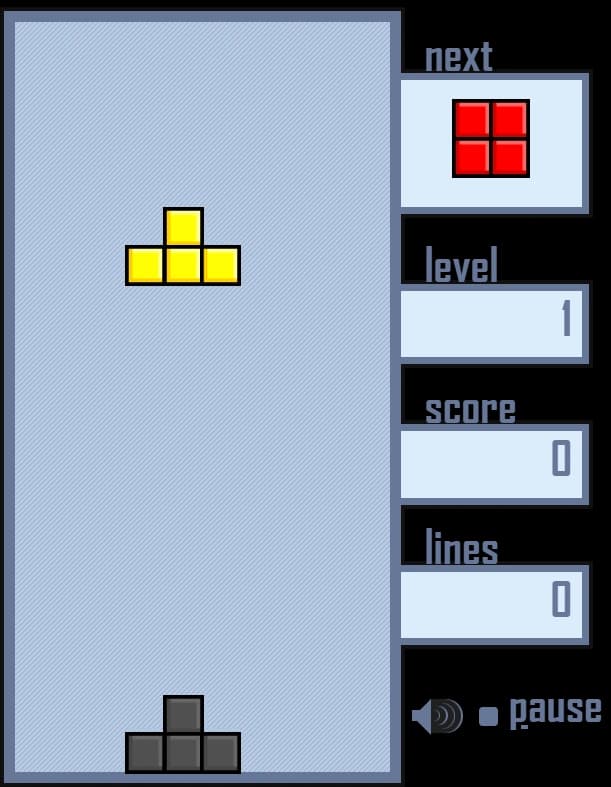
Puzzle
Brick Blaze
Falling blocks, increasing speed, and a rhythm you have not thought about in fifteen years.
Related Articles
Entertainment
How Famous Movies Would Have Ended If Characters Used Common Sense
What if movie heroes, villains, detectives, superheroes, and chosen ones made sensible decisions? Explore the hilarious alternate endings that would have shortened some of entertainment's biggest stories.
Entertainment
If Superheroes Had Normal Jobs
What would happen if superheroes traded world-saving adventures for regular nine-to-five careers? A hilarious deep dive into the workplaces that might be perfect for people with extraordinary abilities.
Entertainment
Why Everyone Thinks They'd Survive A Zombie Apocalypse
From overconfidence and movie logic to survival fantasies and everyday delusions, here's why almost everyone believes they'd thrive during a zombie apocalypse.
Entertainment
Movie Endings That Still Start Arguments
Some movie endings refuse to stay in the theater. Years later, fans still debate what happened, what it meant, and whether the ending was brilliant or frustrating.
Continue Exploring
Ready For More?
Jump into browser games or challenge yourself in Quiz Arena. There's always something new to discover.