How a Game Fits a Whole Experience Into Five Minutes
A great five-minute game is not a long game cut short. A look at how short games are designed: reaching the first decision fast, loops inside loops, endings that shape memory, depth from a few rules, fresh runs and progress that adds up across many small sessions.
Format
Curated Article
Reading Time
9 min read
Published
July 6, 2026
Last Updated
October 20, 2026
Written by
Nikunj Hirapara
Founder · Writer
Nikunj Hirapara founded Unihfy Games and decides what the site works on next. He writes the explanatory guides about how browser games work, and the geography and sports quizzes.
View Author ProfileShort Is a Shape, Not a Size
A short story is not a novel with most of the pages torn out. It is a different form, with its own rules: fewer characters, one strong idea, and every line doing more work. A good five-minute game is the same. It is not a big game you happen to stop early, but something designed from the start to deliver a complete experience in a few minutes.
That constraint is surprisingly productive. When a designer cannot rely on hours of story, a long tutorial or a slowly unfolding world, everything unnecessary falls away. What remains has to be interesting on its own, right from the first moment.
Looking at how short games manage this explains why some feel satisfying in five minutes and others feel like a trailer for something you do not have time to play.
Time to the First Decision
Designers sometimes talk about 'time to fun': how long a player waits between opening a game and doing something that feels like playing. In a long game, a few minutes of setup is a small fraction of the whole. In a five-minute game, it would be most of it.
So short games compress the beginning. The first screen leads straight into play, the first decision arrives within seconds, and the rules are revealed by playing rather than reading. The best ones make that first decision a real one, with a small consequence, so the player is invested before they have had a chance to think about it.
A useful way to judge any short game is to count how many seconds pass before you make a choice that matters. The shorter that wait, the more of your five minutes belongs to the game rather than to getting ready for it.
The Loops Inside a Short Game
The Moment
A second or two: a tap, a jump, a swing, a move. It has to feel good on its own, because it repeats hundreds of times.
The Round
Tens of seconds to a couple of minutes: one run, one board, one hole. It has a beginning, rising tension and a result.
The Session
A few rounds in a row: long enough to notice yourself improving, short enough to fit a spare moment.
The Long Thread
Days or weeks: best scores, stars and unlocks that make many short sessions add up to something bigger.
Why All Four Loops Matter
Most games are built from loops of different lengths, nested inside each other like the hands of a clock. In a long game, the outer loops can take hours to come round. A five-minute game has to fit at least the first three inside the time you have, so that a single sitting contains moments that feel good, rounds that resolve and a session that goes somewhere.
When one of the loops is missing, the game feels off. Without a satisfying moment, nothing is fun to repeat. Without a clear round, there is no shape to the tension. Without a long thread, every session feels identical, and the game is quickly forgotten.
Endings Are Remembered Most
Psychologist Daniel Kahneman described what is now called the peak-end rule: people tend to judge an experience largely by its most intense moment and by how it ended, rather than by the average of every moment along the way. A short game has very little time to make an impression, so its peaks and endings carry an unusually large share of the weight.
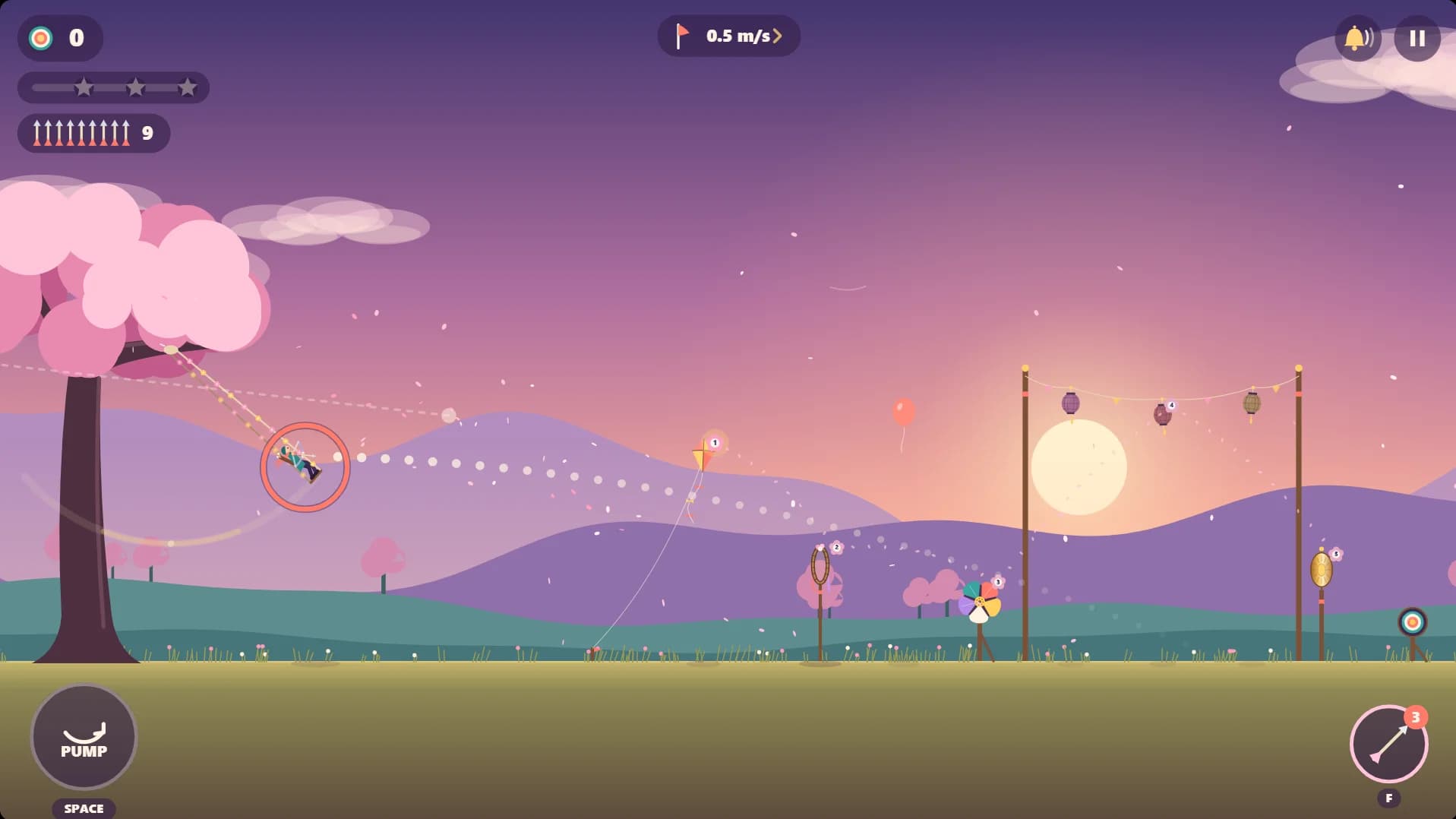
That is why good short games put real care into the last few seconds of a round. A finish that feels like a celebration, even a small one, colours the memory of everything before it. In the archery game Pendarrow, for instance, the evening darkens as your quiver empties, fireflies come out, and a LAST ARROW chip appears when one shot is left.
Losing endings matter too. A loss that is quick, clear and followed by an instant chance to try again leaves a very different memory from one that drags or feels unexplained. In five minutes, the ending is not the last part of the experience. It is most of what you take away.
The Last Ten Seconds
In a short game, how a round ends shapes how the whole thing is remembered. A good finish, or a fair loss with an instant retry, is worth more than a minute of extra content.
Depth From a Few Rules
Short games cannot afford long rulebooks, so they get their depth a different way: from a small number of rules that combine in many situations. Some of the oldest games in the world work like this. The rules of Go fit on a single page, yet it is still played and studied seriously after thousands of years.
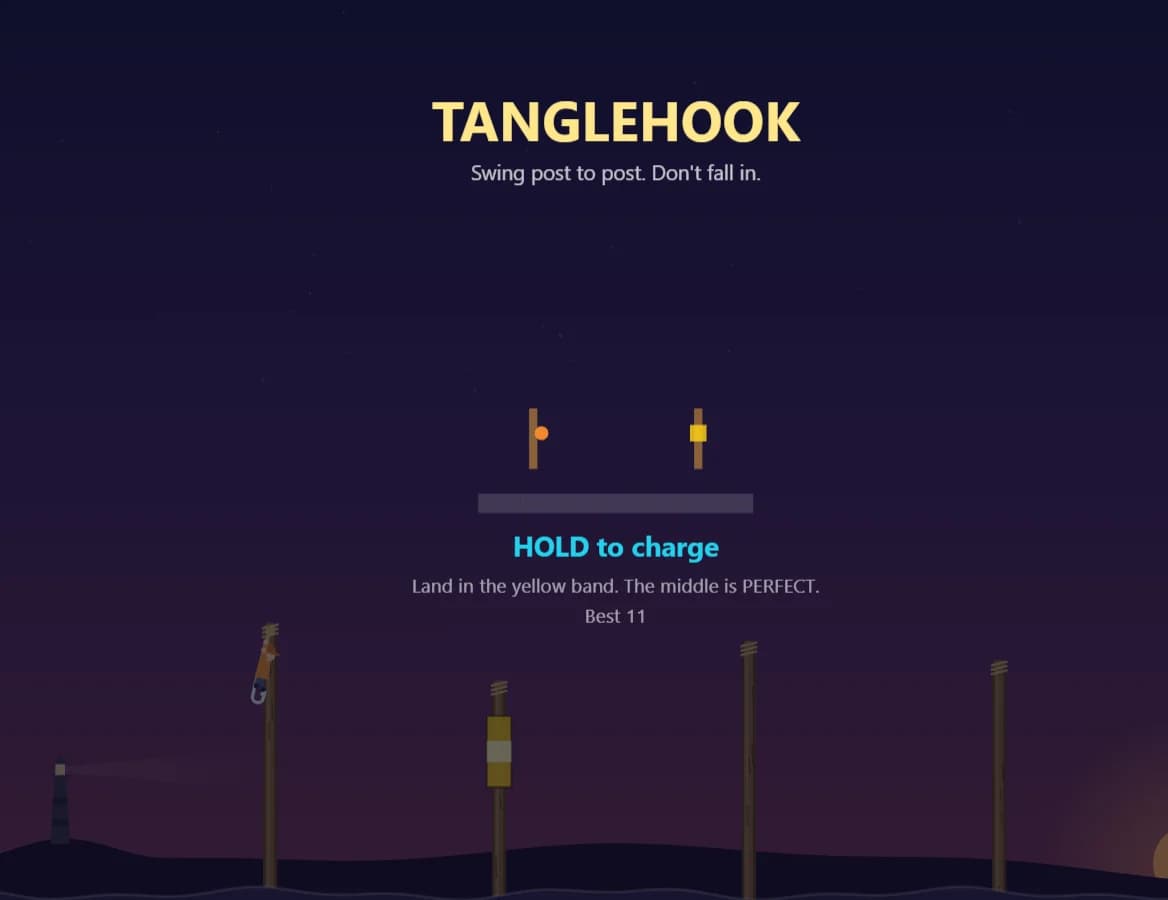
In a five-minute game, this usually means one idea, explored thoroughly. Tanglehook is built on a single question asked every swing: how much power is enough to land the hook on the next post, with the posts spreading out as you go.
The advantage of this approach is that learning and mastery come from the same place. A new player understands the rule in seconds, and an experienced player keeps discovering what it means.
Fresh Every Time
If a short game plays exactly the same every time, a player can learn it by heart in a handful of sessions. Some games embrace this and become about perfecting a known route. Many others add variety so each round feels new.
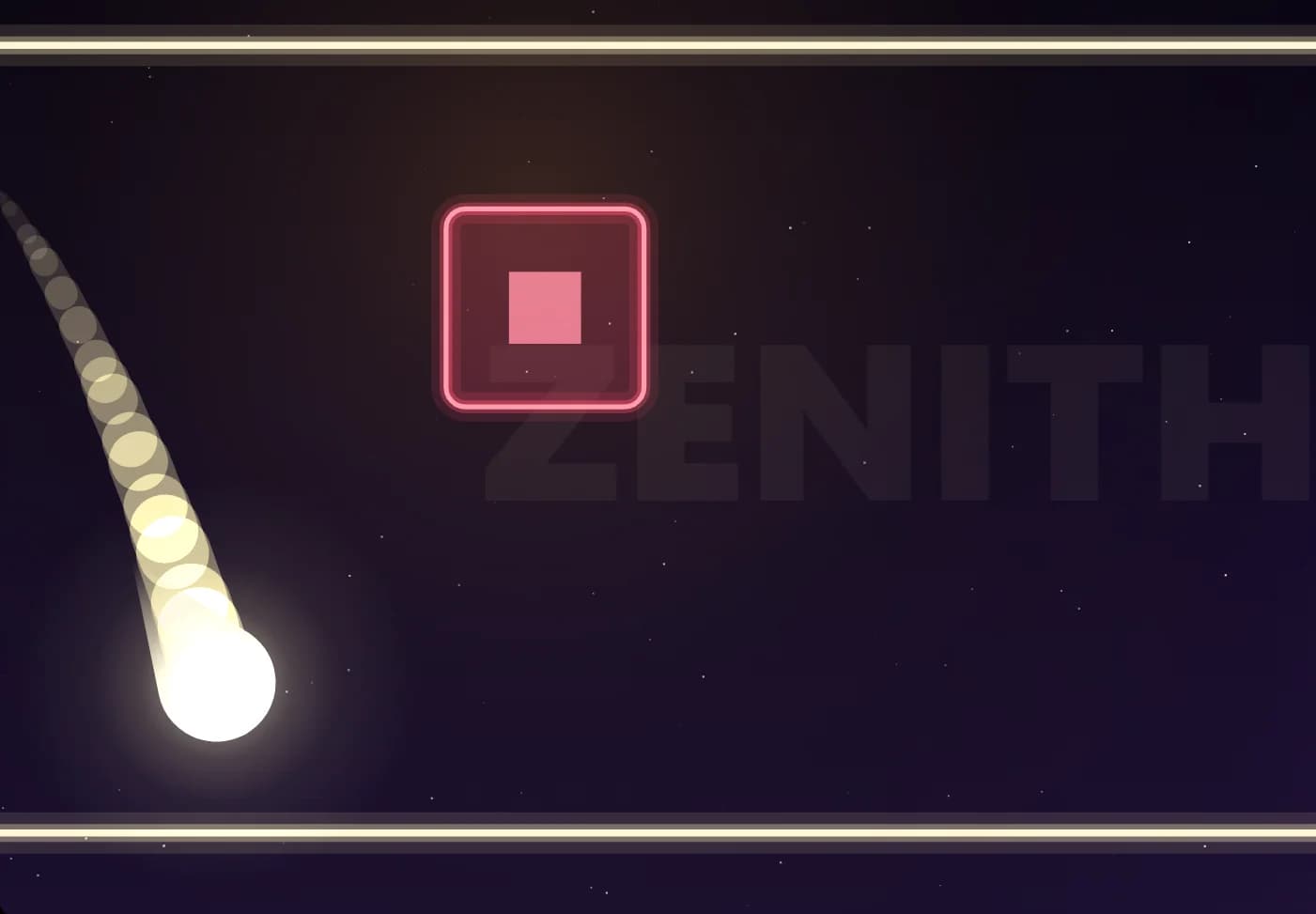
The risk with variety is unfairness: a randomly built level might be impossible. Careful games guard against it. Zenith Flip lays its course out fresh for every run, but checks each section before it appears and only keeps it if there is at least one way through.
Done well, variety is what lets a short game stay interesting for months. Every round is familiar enough to feel like the same game, and different enough to need your full attention.
Many Small Sessions, One Long Thread
The outermost loop is what turns a pleasant distraction into a game people return to. A best score that stays on the results screen, stars that build up across levels, a new course or cosmetic unlocked after a few days: these let many five-minute sessions add up to a sense of a longer journey.
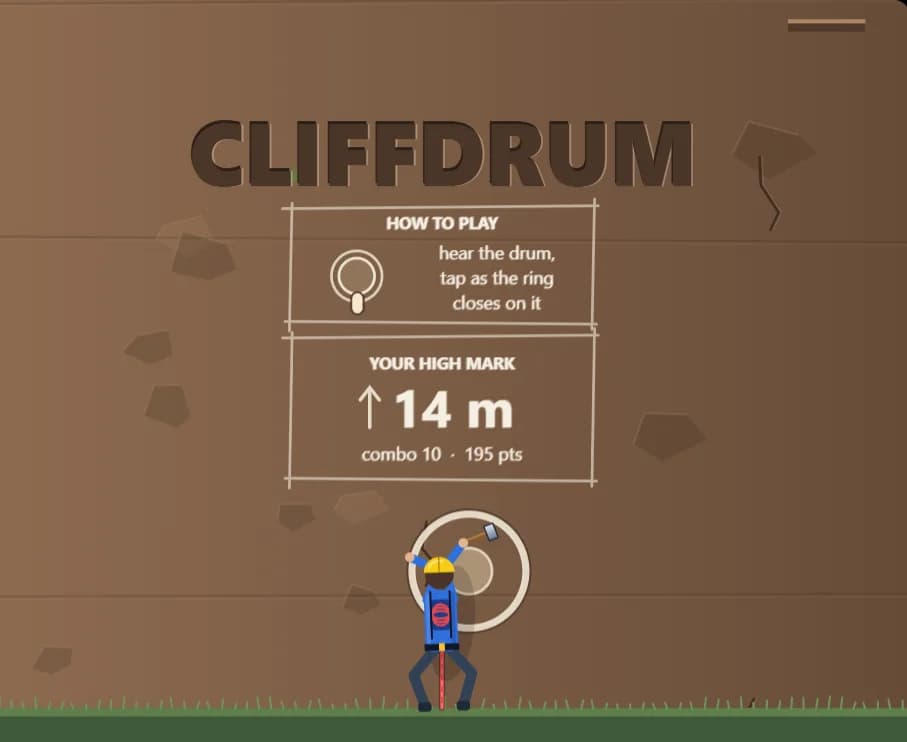
Visible progress works best when it shows up in the game itself rather than only in a menu. In the rhythm climber Cliffdrum, the light shifts from gold to blue as you climb and turns to pale frost near your best height, so you can see how close you are to your record without reading a number.
There is a balance to strike here. A long thread should reward coming back, not punish staying away. Progress that waits patiently for your next spare five minutes is very different from a streak that is lost if you miss a day.
What People Often Assume About Short Games
Fantasy
A short game is a shallow game.
Reality
Some of the deepest games ever made have very few rules. Short games often put all their depth into one idea explored thoroughly.
Fantasy
Any game can be a five-minute game if you stop early.
Reality
A game designed for short sessions resolves within them. A long game stopped early leaves you in the middle of something.
Fantasy
Short games are made quickly.
Reality
With so little time to make an impression, every second has to earn its place, which often takes more care rather than less.
Fantasy
Short games are only for killing time.
Reality
With a long thread of scores, stars and unlocks, many short sessions can add up to as much progress as one long one.
Quick Picks
Short Games Built Around These Ideas
These games were made in-house at Unihfy Games and run in the browser with nothing to install. Each one fits a complete round into a few minutes.
Action
Tanglehook
A rope-and-hook swing across open water where every swing asks how much power is enough.
Arcade
Zenith Flip
An endless runner between two rails, with a new course laid out and checked for every run.
Shooting
Pendarrow
Archery from a rope swing at dusk, where the evening darkens as your quiver empties.
Action
Cliffdrum
A one-tap rhythm climb up a cliff, where the light changes as you rise towards your best height.
Sports
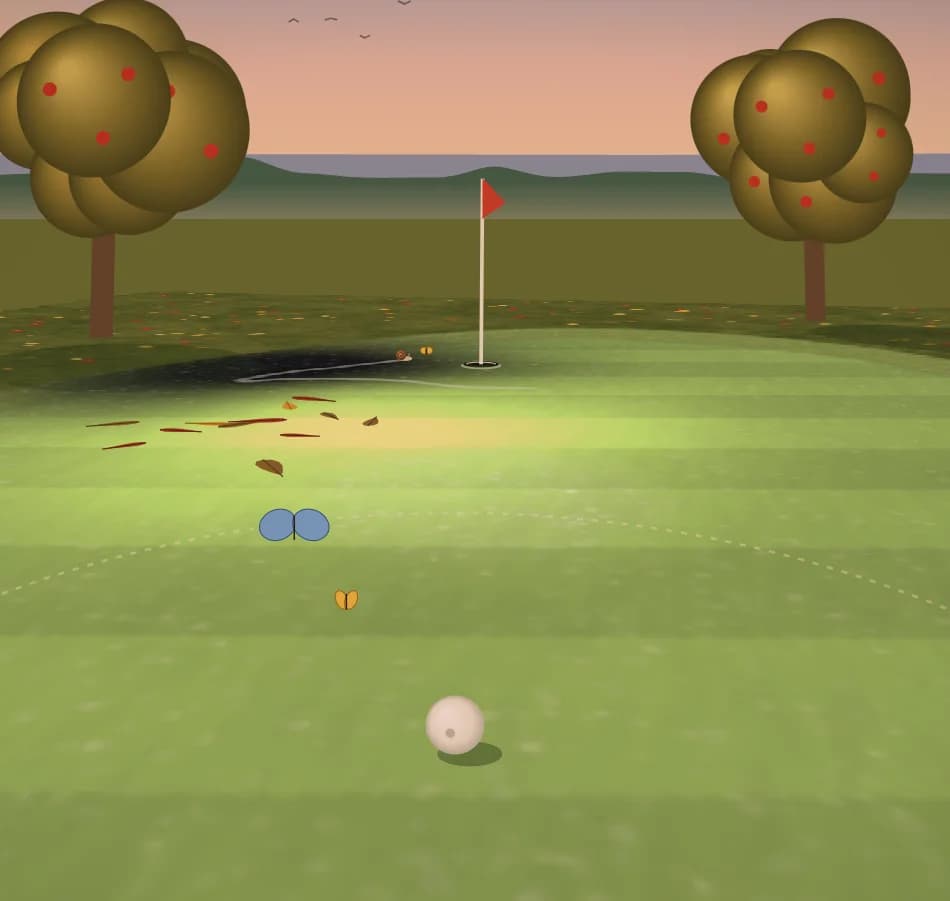
Unihfy Golf Greens
A putting game where you brush the grass ahead of a rolling ball, played one green at a time.
Key Takeaway
A great five-minute game is designed short, not cut short. It reaches a real decision in seconds, fits satisfying moments, rounds and sessions into the time you have, cares about its endings, and lets many small sessions add up to something.
Related Articles
Gaming
What Makes a Great Arcade Game, and Why It Still Works Online
Arcade games were built to be learned in seconds and to end on purpose. A look at the design ideas behind them, from a single control and a readable screen to rising pressure and risky rewards, and what to look for in a free arcade game online.
Gaming
Can a Game Make a Work Break Better? What Breaks Are Really For
A break is not wasted time but part of how focus works. A look at why attention fades during long tasks, why a change of effort rests the mind, how unfinished things follow you back to your desk, and what makes a game a good fit for a short break rather than a long distraction.
Gaming
Why Some Games Run Well on Old Laptops, and What Makes Them Feel Smooth
A game that feels good on modest hardware is not just a small game. A look at what a game asks of a computer every frame, why steady and responsive beats sharp and detailed, and how design choices decide whether an old laptop can keep up.
Gaming
What Makes a Racing Game Worth Playing, Even Without a Download
Why do racing games feel so good, and why do we keep pressing restart? A look at the psychology of speed, risk, personal bests and fairness, and what that means for the racers you can play straight from a browser.
Continue Exploring
Ready For More?
Jump into browser games or challenge yourself in Quiz Arena. There's always something new to discover.